Month: September 2025
Forbes recognizes Luther College as one of the nation’s best private schools for financial aid
Forbes has named Luther College to its list of “25 Private Schools with Generous Financial Aid,” part of Forbes’ annual top colleges ranking.

Luther College is the only Iowa college to be included on Forbes’ list of “25 Private Schools with Generous Financial Aid.”
The special recognition includes schools that offer “stand-out scholarship packages” for undergraduates. Luther is among the 20 colleges on the Forbes list that offer financial aid to 100 percent of its students.
“This recognition affirms what we’ve long known: Luther students receive an outstanding education — one that prepares them for meaningful lives and careers — without being burdened by insurmountable debt,” said Matt Beatty, vice president for enrollment management. “That doesn’t happen by accident. It’s the result of careful stewardship, alumni support, and a deep belief in the transformative power of a Luther education.”
In fall 2024, Luther awarded $48.2 million in gift aid to its student body. For the fall 2024 entering class, the average need-based financial aid offer was $51,868 — approximately 80% of tuition, fees, room and board.
For students enrolling in fall 2026, Luther is offering merit scholarships worth up to $37,000 per year. Students may also earn talent scholarships in music, theatre and dance. More than 850 different scholarship funds undergird Luther’s generous aid packages.
Since 2022, Luther College’s Impact Award has paid full tuition for four years for qualifying students. The program was first extended to Iowa students. Minnesota was added in 2023 and Wisconsin in 2024. This year, this program has been expanded to the state of Illinois.
More than 65 high-achieving students from families with demonstrated financial need have benefitted from the Luther College Impact Award. Nearly half of those students are the first in their families to attend college.
“At a time when the value of higher education is being questioned and when the way colleges price tuition can often feel opaque, Luther has stayed true to its mission,” Beatty said. “We believe that access, academic excellence and affordability must remain at the heart of every student’s selection process. I’m incredibly proud to represent an institution that chooses to meet this moment not with scarcity, but with generosity.”

President Brad Chamberlain made the announcement during the college’s annual Service of Dedication.
August 29 2025
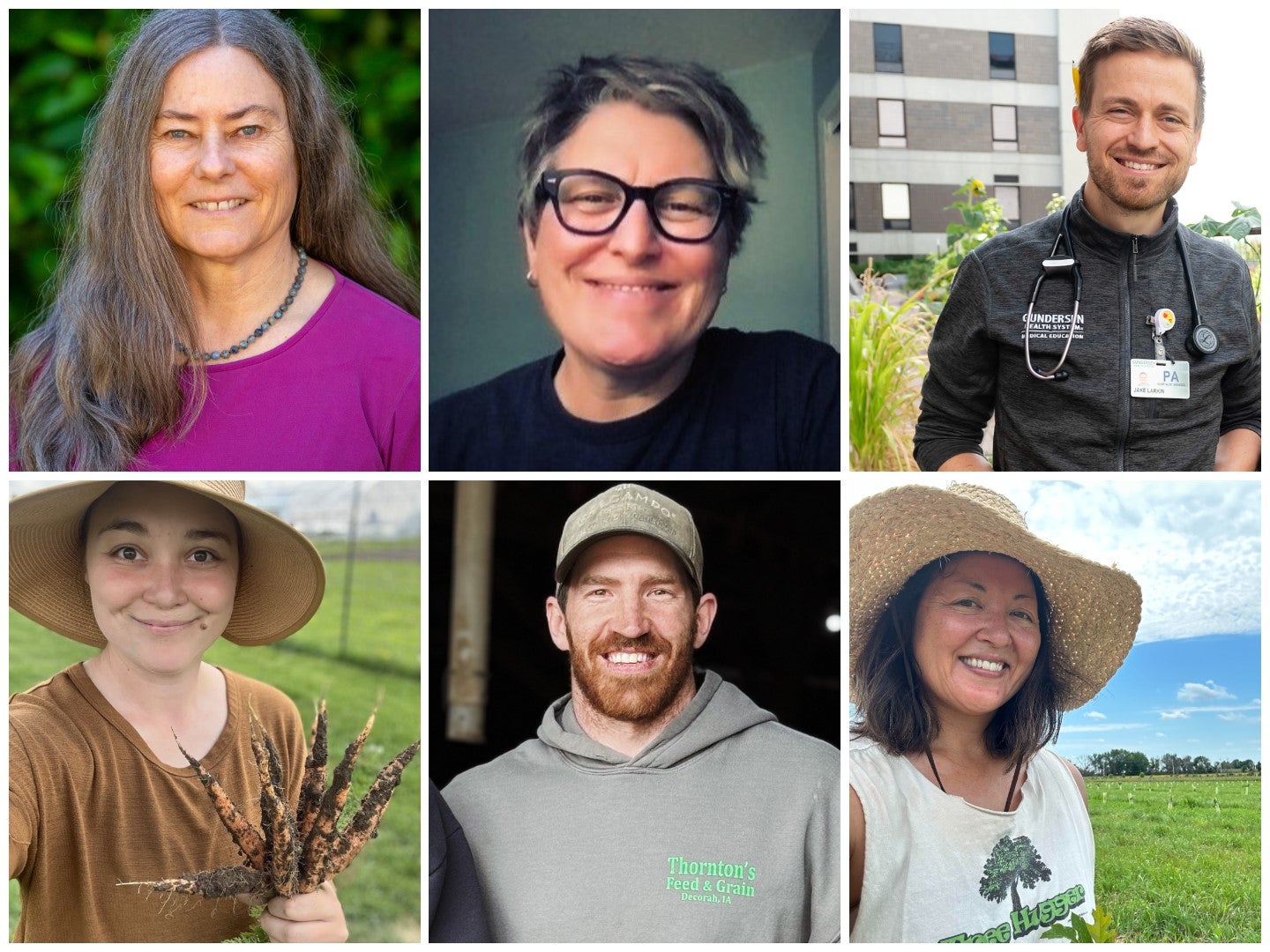
“The Ground We Share” is a multidimensional experience with interactive exhibits, samples of local foods, books on the topic of “food is health,” a dance performance, Q&A and panel discussion
August 22 2025
Winneshiek County Board of Supervisors Meeting 20250903
Agenda: Pledge of Allegiance 9:30 a.m. Michael Kueny – County Engineer Re: road project updates 9:45 a.m. Miscellaneous …
Knowing Nature: Butterflies
Butterflies belong to the order Lepidoptera, meaning scale-winged, after the microscopic scales that cover their wings like shingles. A single butterfly can have scales of hundreds of colors that make up a mosaic of patterns we recognize them by. These scales also provide a function for flight, defense, and thermoregulation. Wings may be bright colors to warn that this species does not taste good, mimic other species, look like eye spots to startle predators, or camouflage into their surroundings. In fact, to blend into its rainforest surroundings, the Greta oto butterfly’s wings are partially transparent!
Butterflies have a complex life cycle, undergoing metamorphosis in four stages: eggs, larvae (caterpillars), pupae, and adults. Some species may migrate or hibernate (called diapause in insects) in winter.
A host plant is a kind of plant that specific butterflies rely on for survival. Each species has its own host plant preferences where it chooses to lay eggs, although some are more generalists.
Many butterflies also play a role in pollination if they drink nectar, frequenting flowering plants in gardens, forests, orchards, and prairies. Some only drink nectar as a last resort, instead choosing to feast on dung, carrion, tree sap, and rotting fruit instead.
Butterflies are widespread, found on every continent except Antarctica. Winneshiek County provides breeding habitat for around 118 species of butterflies. How well do you know the butterflies found in Winneshiek County?
Take the quiz here: Knowing Nature – Butterflies of Winneshiek County
Each Knowing Nature quiz features species found in Winneshiek County. By the end of the year, we’ll have experience identifying over 100 different types of plants, animals, and fungus!
Want to dive deeper into learning about the wildlife of Winneshiek County? Track seasonal changes and natural wonders with our YouTube playlist: “Noting Nature.”
Thank you to Luther College professor, Birgitta Meade, for compiling these “Knowing Nature” quizzes and allowing us to share them with the wider public.